
Smart Basement Remodeling: Preventing Moisture and Choosing the Right Materials
Expanding your home's usable square footage is an exciting prospect for any homeowner. Whether you are dreaming of creating a cozy new family room, a quiet home office, or a personal gym, finishing an underutilized lower level can completely transform how you live and interact within your home. It also offers one of the best returns on investment when it comes time to sell your property. However, for homeowners here in Grenada, the remodeling process involves quite a bit more than just framing walls, hanging drywall, and picking out fresh paint colors. Our unique climate means that any lower-level project must be meticulously planned from the ground up to keep water out.
At Heritage Roofing & Construction, we know that a beautiful living space is only as good as the foundation it is built upon. Before you start looking at furniture arrangements or lighting fixtures, you have to prioritize moisture prevention. A damp environment can ruin expensive building materials and create health hazards for your family. Let's walk through the essential steps to ensure your new space remains completely dry, comfortable, and safe for years to come.
The Unseen Connection: Why Moisture Prevention Starts at the Top
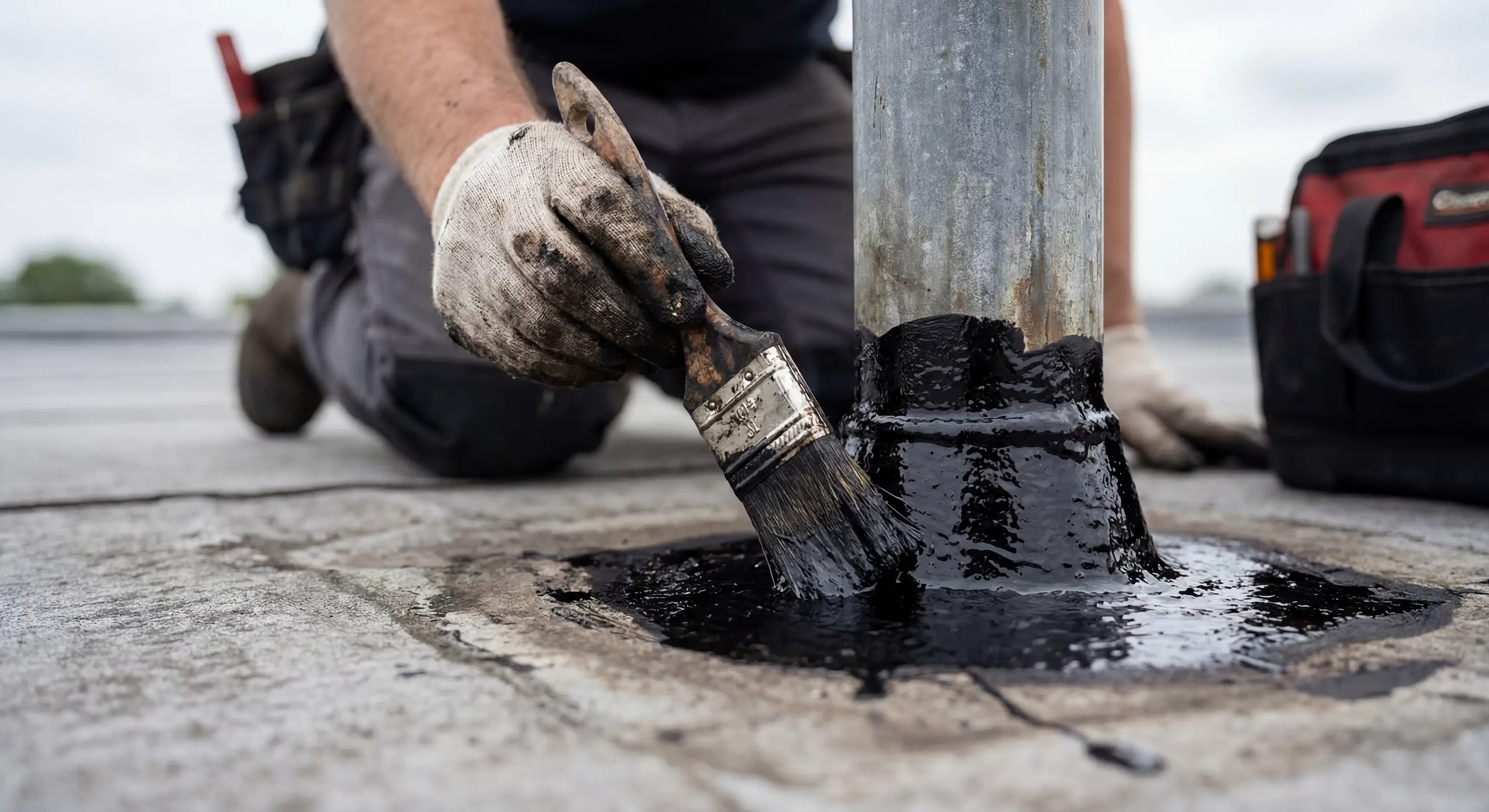
It might seem counterintuitive to look upward when you are worried about an underground space, but keeping your lower levels dry actually begins with your roof and gutters. We see the effects of poor exterior drainage all the time during our Spring Storm Season. When heavy downpours hit, water has to go somewhere. If your roof is compromised, or if a thick layer of Pine Straw is clogging your gutters and preventing proper water flow, that rainwater will cascade over the sides of your home. Often, it pools right around the foundation and eventually seeps downward into the soil surrounding your lower walls.
If you are noticing damp spots or a musty smell below ground, the very first step in successful home renovations is to inspect your home's exterior envelope. Are your downspouts directing water far enough away from the foundation? Is the grading of your yard sloping away from the house, or is it encouraging water to pool against the concrete? By addressing these exterior drainage issues first, you establish a strong primary defense against water intrusion. Modern technology, like drone-assisted roof inspections, can quickly identify where your exterior defenses might be failing before you invest in interior work.
How to Fix Water Damage Before Basement Remodeling
One of the most costly mistakes a homeowner can make is covering up existing water damage with brand new building materials. If you have efflorescence (those chalky white mineral stains on concrete walls), persistent musty odors, or visible dark dampness in the corners of your room, you must tackle these problems thoroughly before the remodeling begins.
Learning how to fix water damage before basement remodeling involves a careful clean-up and a structural assessment. Any existing mold or mildew must be professionally mitigated to ensure the air quality is safe. Cracks in the foundation walls or the concrete floor need to be cleaned and sealed with specialized hydraulic cement or industrial epoxy injections. Once the structural repairs are completely cured, applying a high-quality masonry waterproofing paint can provide an additional, essential layer of defense. Only when the area is proven to be completely dry and properly sealed should you move forward with the decorative phases of your basement renovation.
Waterproof Flooring Options for Finished Basements
Choosing the right materials is critical to the longevity of your renovation, especially when we factor in the famous Delta Heat and the heavy humidity that naturally comes with it. Even with a perfectly sealed foundation and great exterior drainage, concrete subfloors can naturally hold and transfer a certain amount of moisture. Because of this, traditional solid hardwood or standard fiberboard laminates are risky choices; they can easily warp, buckle, or harbor mold over time.
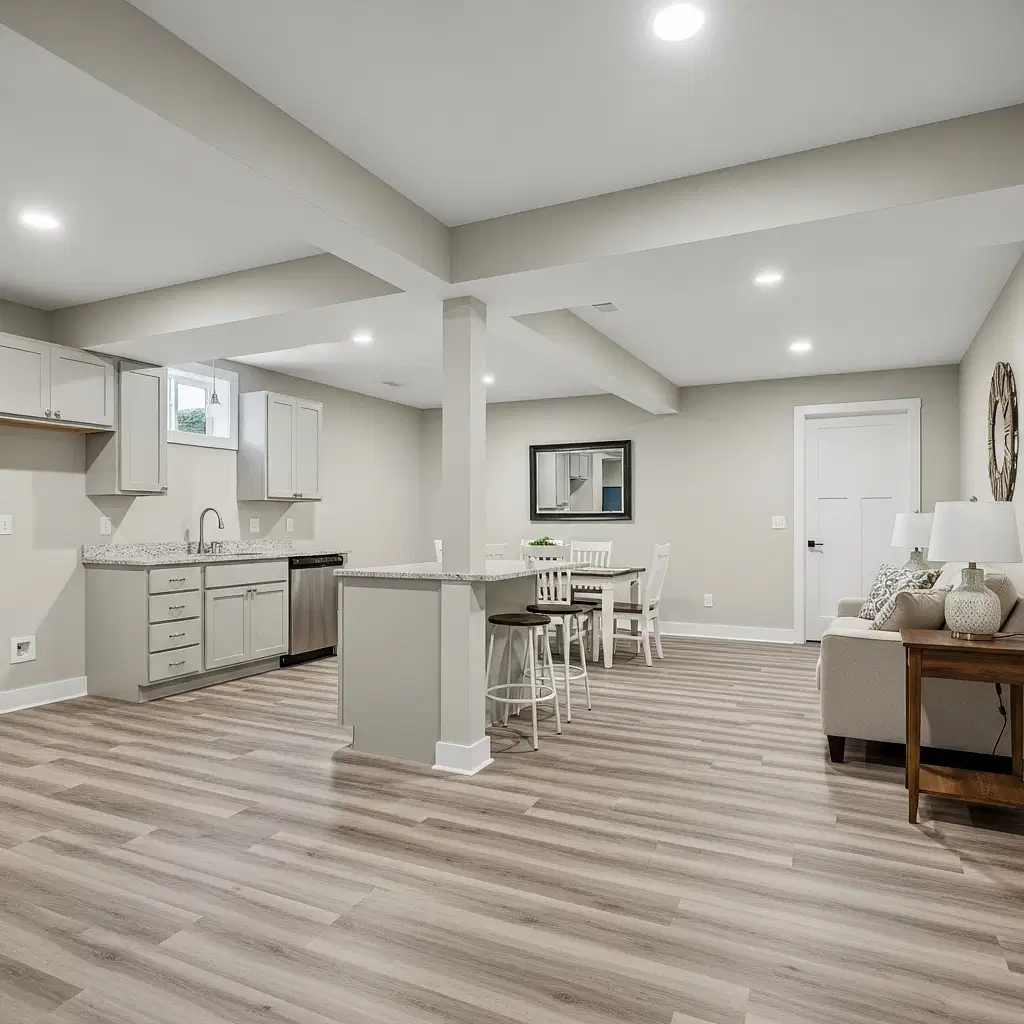
When exploring waterproof flooring options for finished basements, luxury vinyl plank (LVP) is frequently the top recommendation from experienced contractors. LVP offers the warm, high-end look of natural wood but is entirely impervious to water. It is incredibly durable, cost-effective, and easy to maintain. Ceramic or porcelain tile is another excellent, highly durable choice that withstands humidity effortlessly. By selecting the right flooring, you are investing in a surface that will not need to be ripped out the first time a heavy rain raises the ambient humidity levels or a drink is accidentally spilled during family movie night. Plus, for budget-conscious homeowners, these modern materials offer a high-end look that is easy to finance and maintain.
Preventing Moisture Intrusion in Finished Basements
Once the structural fixes are securely in place and the right water-resistant materials have been selected, long-term maintenance is the key to protecting your investment. Preventing moisture intrusion in finished basements requires an ongoing strategy for managing both exterior water sources and interior humidity levels.
Installing a reliable sump pump system is a wise investment, particularly if you live in an area prone to a high water table or if your property frequently experiences pooling water after straight-line winds and severe storms roll through. Additionally, incorporating a high-capacity dehumidifier directly into your HVAC system, or utilizing a high-quality standalone unit, will keep the ambient humidity consistently in check. Using moisture-resistant drywall, often referred to as green board, and ensuring there is an adequate, continuous vapor barrier installed between your exterior concrete walls and your interior wood framing will further protect your living space. This comprehensive, multi-layered approach guarantees that your newly finished room remains a healthy, pleasant environment.
Ready to Transform Your Lower Level?
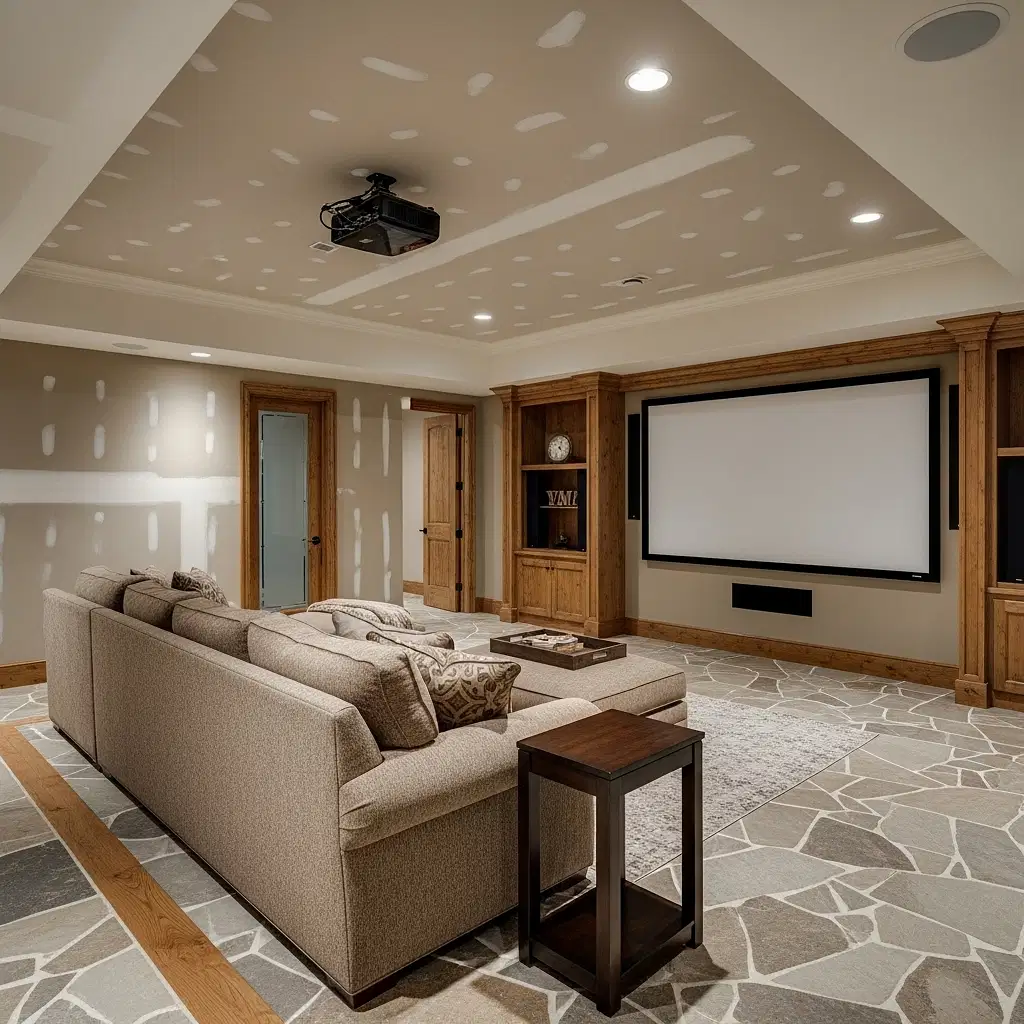
Upgrading your home is a major decision, and it requires partnering with a contractor who deeply understands the specific challenges of our local environment. From managing complex exterior repairs to executing flawless interior upgrades, you need a highly skilled team that prioritizes quality, durability, and transparent pricing.
If you are located in North MS and want to ensure your next remodeling project is done right the first time, reach out to Heritage Roofing & Construction. Whether you are looking to expand your living area safely or simply need expert advice on keeping your property protected from the elements from the roof down to the foundation, our comprehensive roofing services and specialized interior remodeling expertise have you covered. Let's work together to build a beautiful, dry space that you and your family will love for decades to come.