
Straight-Line Winds and Your Roof's Integrity
When the Spring Storm Season rolls through Mississippi, it brings more than just heavy rain and thunder. For homeowners in Grenada and the surrounding communities, the sudden, intense gusts known as straight-line winds pose a significant threat to residential properties. Unlike tornadoes, which have a rotating wind pattern, straight-line winds push forcefully in one direction, often reaching speeds that can easily compromise an aging or weakened roof.
Understanding how these weather events impact your home is the first step in protecting your investment. Many homeowners wonder how to tell the difference between general wear and tear and actual storm damage. The reality is that the brutal Delta Heat we experience during the summer months can slowly bake and weaken asphalt shingles. When a severe storm eventually hits, those brittle shingles are highly susceptible to being lifted, creased, or completely torn off by high winds.
The Hidden Impact of Straight-Line Winds
Straight-line winds can cause immediate and obvious destruction, such as tearing large sections of shingles from your roof deck or dropping heavy tree branches onto your home. However, the most insidious damage is often invisible from the ground.
When strong winds hit your roof, they create an uplift effect. This suction can break the adhesive seal that holds your shingles down. Once that seal is broken, wind-driven rain can easily penetrate the underlayment, leading to slow, hidden leaks that rot your roof decking and damage your interior ceilings over time. Because the shingles may lay flat again after the wind dies down, you might not even realize your roof's integrity has been compromised until water spots appear in your living room.
Spotting the Signs of Wind Damage
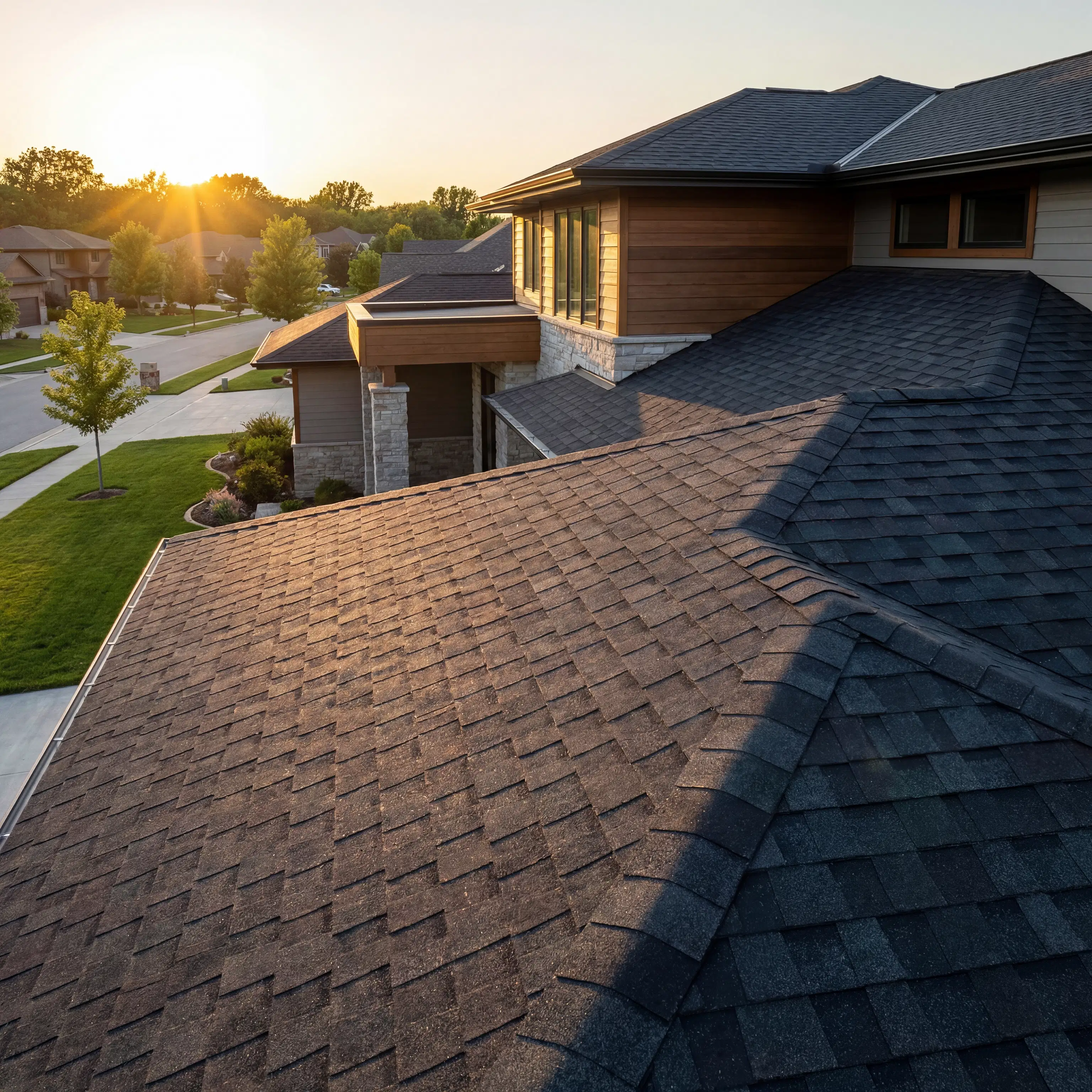
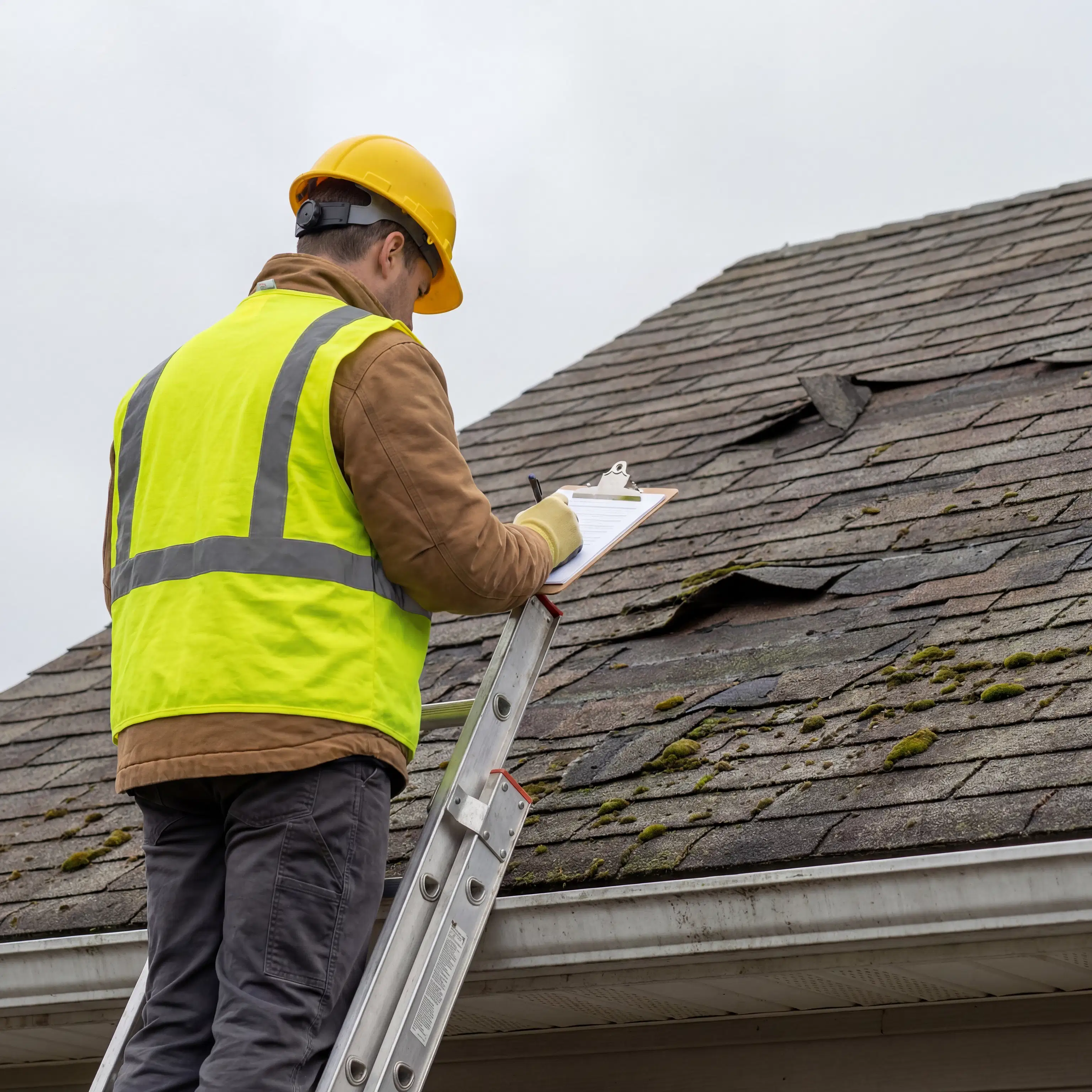
Identifying straight-line wind roof damage early can save you thousands of dollars in secondary water damage repairs. After a severe weather event, take a walk around your property and look for shingles in your yard, granules washing out of your downspouts, or visible dark patches on your roof where shingles are missing.
However, because so much wind damage is difficult to spot with the untrained eye, scheduling professional roof inspections is crucial. Today, reputable local contractors utilize advanced drone technology and 3D aerial modeling to safely and accurately assess your roof. This allows for a comprehensive evaluation of wind-blown shingles, broken seals, and structural impacts without causing further damage by walking on weakened materials.
Navigating Insurance Claims and Avoiding Storm Chasers
One of the most common questions homeowners ask is whether their homeowners insurance covers roof damage from Mississippi storms. In most cases, sudden and accidental damage caused by wind is covered. However, filing insurance claims for wind-blown shingles can be a complex and frustrating process, often involving tedious paperwork and long wait times for adjusters.
This vulnerability unfortunately attracts out-of-state storm chasers—temporary contractors who flood the area after severe weather. They often offer incredibly low prices, but they use subpar materials, perform rushed work, and disappear long before their nonexistent warranties can be honored.
To protect yourself, always rely on an established, licensed, and insured local contractor. A trusted community roofer will not only provide high-quality workmanship but will also offer dedicated insurance claims assistance. They can meticulously document the damage, meet with your insurance adjuster, and ensure that your claim accurately reflects the true cost of restoring your home to a safe condition.
Repair vs. Replacement: Building for the Future
If your roof has sustained damage, you may be wondering if you need a simple patch or a full replacement. This depends entirely on the age of your roof, the extent of the wind damage, and the quality of the existing materials. A targeted roof repair might be sufficient for a newer roof that lost a few shingles. However, if your roof is older and the wind has compromised the overall system, a full replacement is often the safest and most cost-effective long-term solution.
When upgrading, it is important to consider wind resistant shingle ratings and standards. Modern architectural shingles are designed to withstand significantly higher wind speeds than older 3-tab varieties. Additionally, there is a growing trend toward metal roofing systems in our region. Metal roofs offer exceptional durability, superior wind resistance, and excellent energy efficiency, making them a smart investment for homeowners looking to permanently solve their storm damage worries.
Your Local Partner for Complete Roofing Care
Dealing with storm damage can be overwhelming, but you do not have to handle it alone. At Heritage Roofing & Construction, we believe in a full-service approach. From the moment we arrive for the initial inspection to the final cleanup after the job is done, we manage every detail of the process so you can have peace of mind.
We are proud to serve homeowners across North MS, providing transparent estimates, flexible financing options, and the kind of reliable craftsmanship that only a true local business can deliver. If you suspect your home has been impacted by recent weather, do not wait for a leak to confirm it. Contact our team today to schedule a comprehensive evaluation and ensure your roof is ready to weather whatever comes next.